Visibility is your telemetry: You cannot manage what you cannot see. Real-time tracking acts like the sensors on a Formula 1 car, giving you the exact data you need to spot trouble early and keep your cargo secure.
Collaboration keeps you on track: An F1 driver relies entirely on their pit crew and engineers. Likewise, your supply chain partners must share information and work together seamlessly to avoid costly operational crashes.
Recovery speed limits the damage: When 12 tonnes of chocolate vanished, Nestle reacted instantly. A fast, public response backed by a robust product tracing strategy helps you regain control and get back in the race quickly.
Standardisation ties it all together: Global trade needs a shared language. Just as F1 teams build cars to strict technical rules, modern logistics depend on universal standards like GS1 barcodes to trace products every step of the way.
Introduction.
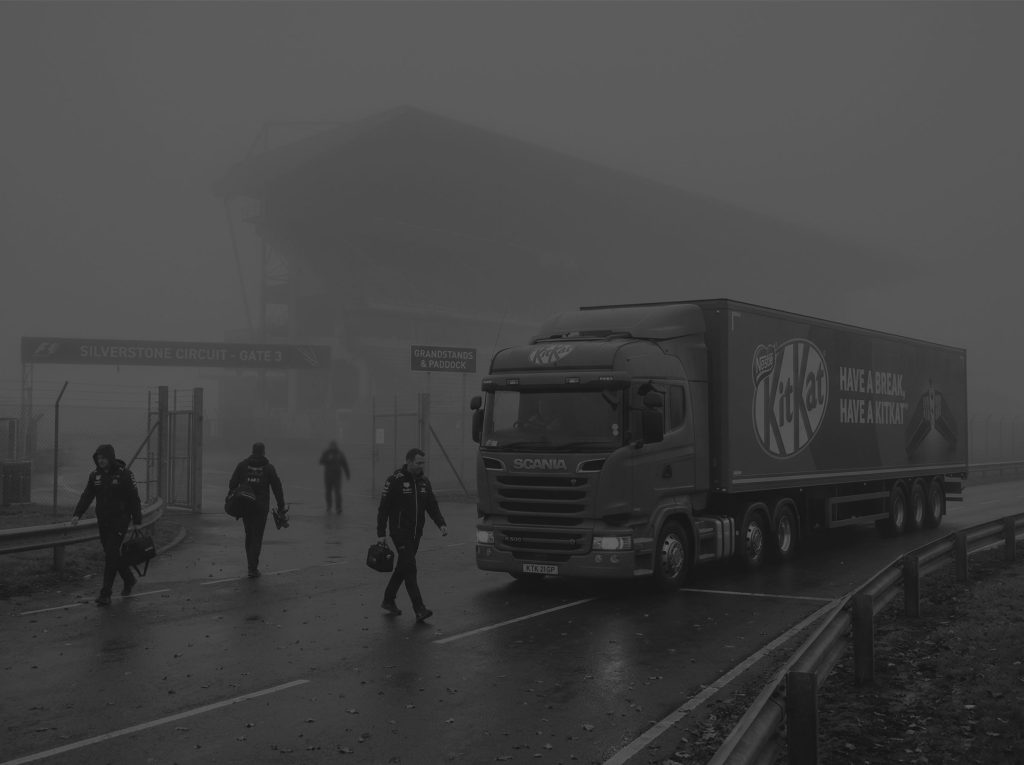
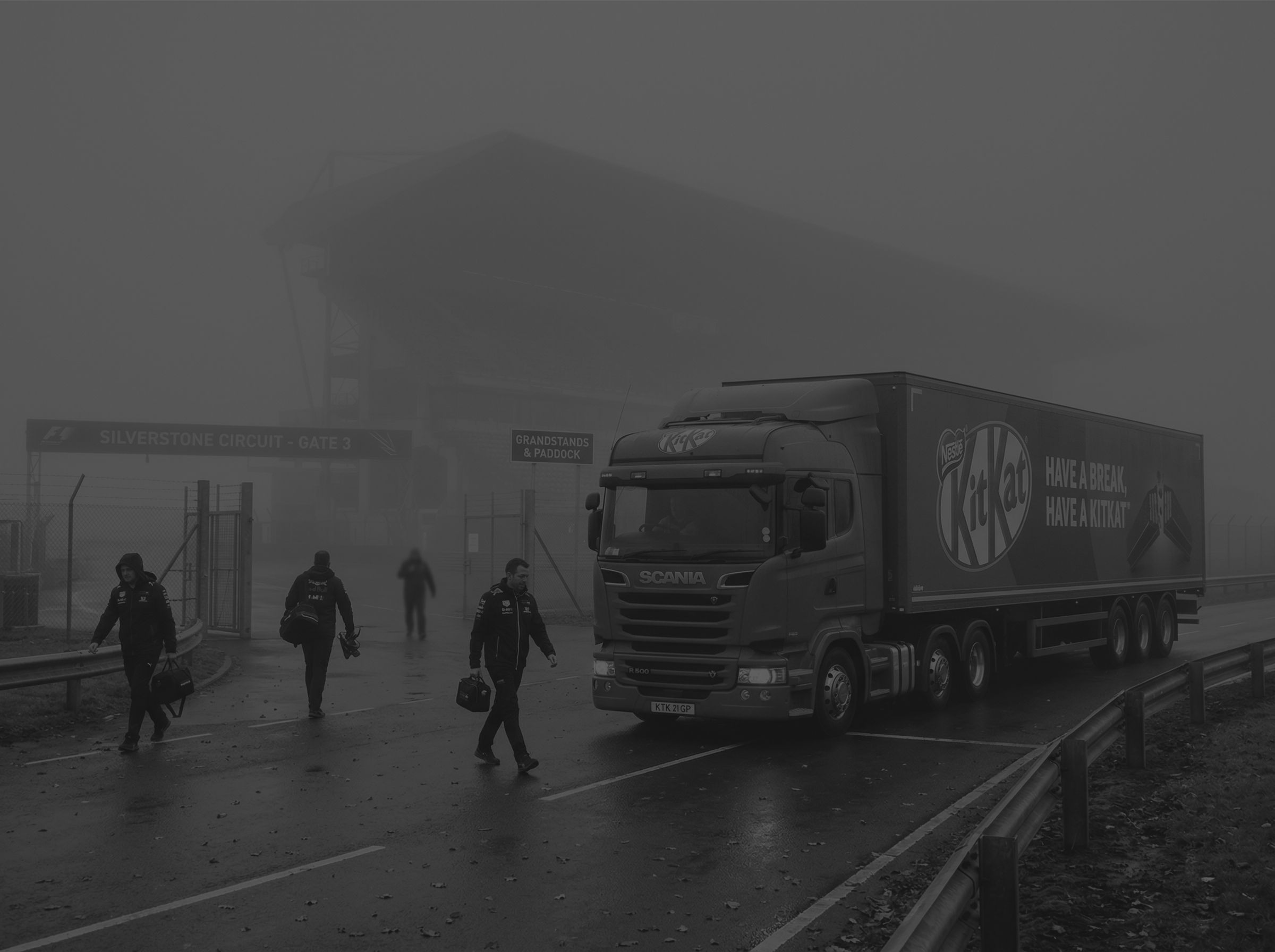
In late March 2026, a lorry travelling from a factory in central Italy to Poland vanished. Its cargo? More than 413,000 limited-edition Formula 1-themed KitKat bars. That is over 12 tonnes of chocolate stolen right before Easter, one of the most critical sales periods of the year. The infamous KitKat heist sounded like the plot of a sweet-toothed action film, but it highlighted a severe and escalating problem. As cargo crime rises, this sticky situation reveals exactly what happens when complex logistics networks break down.
The F1 Parallel: Many Parts, One Machine.
Formula 1 is arguably the most operationally complex sport on the planet. Look past the glamour of race day, and you find a masterclass in F1 supply chain logistics. Hundreds of engineers, transport teams, and strategists operate in perfect, real-time sync across multiple continents under enormous pressure. Over 1,000 parts go into a single racing car, and every one of them is sourced, manufactured, and transported by a massive global supplier network. Get one component wrong, or delay a single delivery, and the entire race unravels.
Modern supply chains operate exactly the same way. A single consumer product often involves dozens of supplier tiers, carriers, warehouses, and distributors. The operation depends on seamless coordination. When they work flawlessly, nobody notices. You simply buy your favourite chocolate at the local shop. But when they break down, the consequences are immediate, highly visible, and costly.
A supply chain, much like an F1 team, is only as strong as its weakest link. Winning requires drivers, pit crews, suppliers, and technology all pulling in the exact same direction.
The Heist, Unpacked: When the Chain Breaks.
The stolen KitKat bars were not just any chocolate. KitKat is Formula 1’s official chocolate partner, making these car-shaped treats highly anticipated. When the shipment vanished, Nestle did something unusual. They went public immediately. They confirmed the theft with a playful yet assertive tone, turning a massive operational loss into a masterclass in supply chain risk management.
But Nestle had a trump card up their sleeve. They remained confident despite losing 12 tonnes of stock because they knew exactly what was missing. Every single F1 bar is fully traceable. The company essentially dared the thieves to try and sell the stolen goods. The moment those bars enter the retail ecosystem, the trap springs shut.
Barcodes & Traceability: The Safety Net.
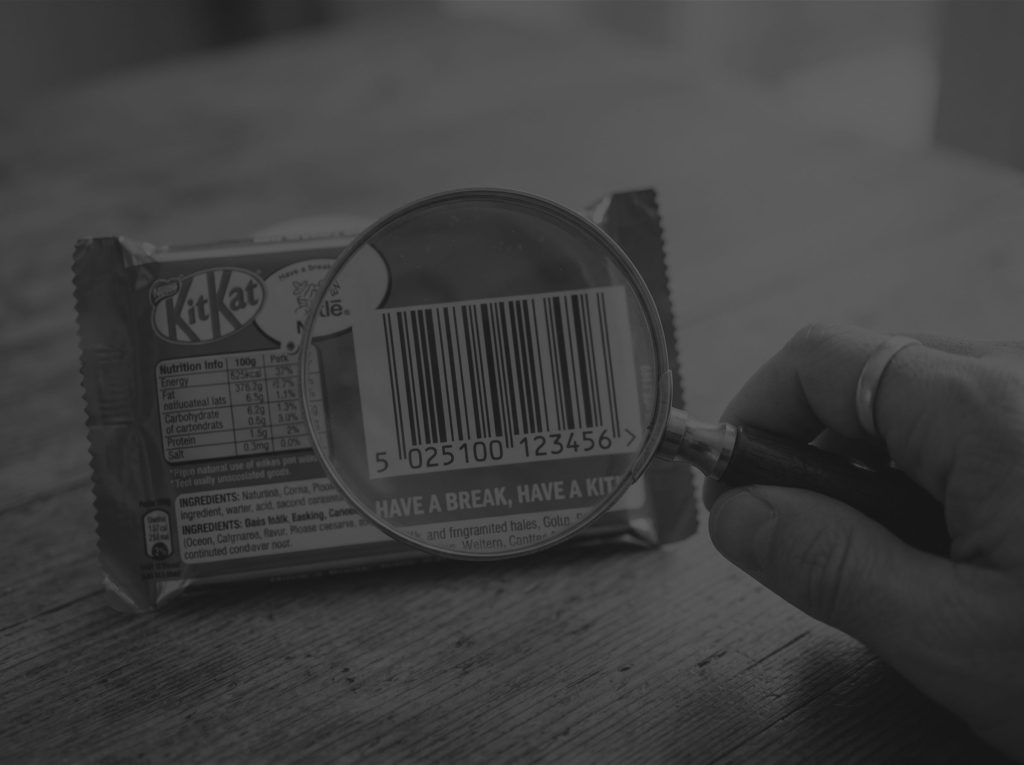
This confidence stems from a robust system of product traceability. You probably look at barcodes every day without a second thought. But GS1 barcode traceability is the unsung hero of global commerce. GS1 is the universal standard for product identification. Every barcode on a consumer item, from a supermarket ready meal to a limited-edition chocolate bar, speaks this exact same global language.
Each of those missing chocolate cars carries a unique batch code. If a rogue distributor sells those stolen KitKat bars to a smaller retailer or corner shop, the system is waiting. The moment a cashier scans the chocolate at the till, Nestle’s systems receive an alert.
The barcode does not merely identify the product; it reveals its entire journey. It surfaces the factory origin, the specific batch, and the intended distribution route in mere seconds. For retailers, the message is crystal clear. If you receive stock that you cannot properly account for, the product itself will tell the true story.
Think of this tracking system as the pit wall of the logistics network. It serves as a vital control layer that observes everything in real time. It spots anomalies and flags them instantly, long before a missing shipment becomes an unmanageable crisis.
Lessons from the Pit Lane.
What can we learn from mixing motorsport engineering with stolen chocolate?
First, supply chain visibility is absolutely everything. In F1, telemetry data flows continuously from every sensor on the car to the engineers on the pit wall. In global trade, real-time tracking and standardised identification play that exact same role. You cannot manage what you cannot see.
Second, collaboration is not optional. An F1 team fails instantly if the driver and engineers stop talking. A supply chain crashes just as quickly when partners operate in isolated silos.
Third, recovery speed matters immensely. F1 mechanics can rebuild a shattered gearbox overnight to get a car back on the grid. Nestle demonstrated similar agility by going public within days and having a comprehensive traceability response ready to deploy.
Finally, standards matter. Formula 1 cars are built strictly to FIA technical regulations, ensuring fair competition. Supply chains run on GS1 standards. Without a common language, the entire system simply falls apart.
Secure Your Starting Grid.
Cargo crime continues to rise, and logistics networks are only growing more complex. The companies that cross the finish line first will be those equipped with end-to-end visibility. Are you confident you could track a missing shipment down to the very last unit? It might be time to review your own operations. Treat your supply chain like an elite racing team, and you will stay one step ahead of the competition.
Contents
Add a header to begin generating the table of contents
In March 2026, over 12 tonnes of F1-themed KitKat bars were stolen. The incident highlights rising cargo crime in Europe and shows the importance of transparency and tracking in supply chain management.
F1 teams thrive on real-time data and teamwork. Businesses should aim for full supply chain visibility, strong collaboration, and rapid response to disruptions.
Nestle went public right away to raise awareness of cargo crime and show they could track the missing stock. This quick response demonstrated strong risk management.