

How to Improve Warehouse Efficiency in 2026: 6 Strategies.
by Joshua Podwysocki
Last updated: 07/07/2026
Warehouses are the backbone of businesses handling inventory and supply chains, but many struggle with efficiency. Warehouse efficiency refers to maximising output—such as order fulfilment speed and accuracy—while minimising costs, labour, and wasted space. By 2026, those who don’t adapt risk falling behind competitors who optimise their processes. Whether you’re a Warehouse Manager, Operations Manager, or Business Owner, boosting warehouse efficiency should be a top priority. This guide covers practical strategies to help take your warehouse operations to the next level.
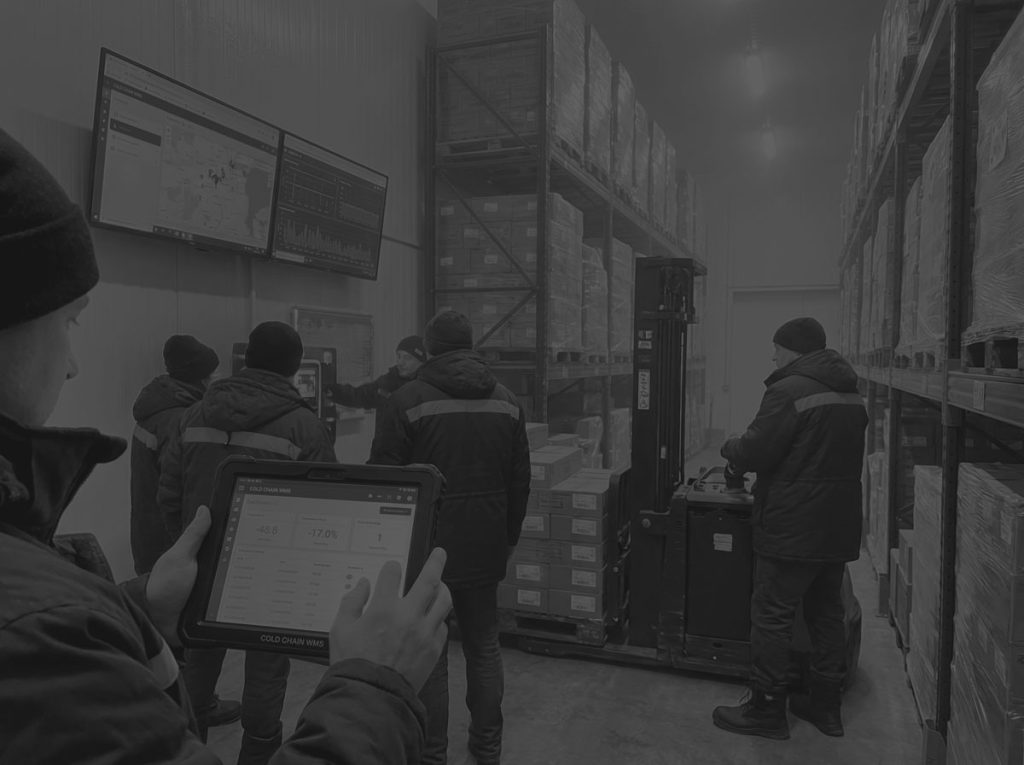
6 Strategies to Improve Warehouse Efficiency: Quick Summary.
- Adopt Technology and Automation – Implement WMS and automated systems to reduce errors and speed up operations
- Re-evaluate Warehouse Layout – Optimise space utilisation and product placement to minimise travel time
- Enhance Order Picking Methods – Use batch, zone, or wave picking combined with technology for faster fulfilment
- Optimise Staff Productivity – Invest in training and provide the right tools to empower your workforce
- Streamline Shipping and Receiving – Automate tracking and receiving processes to reduce delays
- Monitor and Continuously Improve – Leverage data analytics and foster an improvement culture
Understanding the Current State of Warehousing.
Before diving into potential solutions, it’s crucial to thoroughly assess where inefficiencies exist in the warehousing industry. Identifying these pain points is the first step toward creating a more streamlined, cost-effective operation.
Common Inefficiencies in Warehousing.
- Poor Space Utilisation: Wasted space is a common issue in warehouses, often caused by poor shelf setups, disorganised inventory, or not using vertical space effectively. Over time, this increases costs as businesses struggle to manage stock and maintain order.
- Inefficient Picking Methods: Outdated picking methods, like paper-based systems or poor route planning, can delay order fulfilment. These inefficiencies slow operations, cause errors, and lead to unhappy customers and more returns.
- Limited Technology Integration: Many warehouses still rely on manual workflows like handwritten logs or spreadsheets. This slows processes, increases human error, and makes it harder to monitor warehouse performance in real-time.
- High Staff Turnover: Warehousing is a labour-intensive industry, with high staff turnover being a constant challenge. Recruiting, training, and onboarding new employees drives up costs and disrupts productivity and team morale.
The Cost of Inefficiency.
Warehouse inefficiencies disrupt the supply chain, driving up costs with unnecessary labour, excess stock, and slow processes. Longer lead times frustrate customers, damage your brand, and hurt sales.
Even small issues, like delays in locating items or equipment breakdowns, reduce profitability over time. In today’s fast-paced market, speed and accuracy are essential to meet customer demands.
Modernising your warehouse is key to staying competitive and driving growth. By adopting technology, streamlining workflows, and optimising space, you can boost efficiency and improve customer satisfaction.

1. Adopting Technology and Automation.
Implementing technology and automation reduces manual errors and accelerates order processing, directly improving warehouse efficiency. New technology is transforming warehouses, making work faster and more accurate to keep up with modern supply chains. With e-commerce growing, warehouses must handle more orders quickly and precisely. Automation and advanced tools are now essential to stay competitive.
The Role of a Warehouse Management System (WMS).
A Warehouse Management System (WMS) is essential for improving warehouse efficiency and ensuring smooth operations. It tracks inventory in real time, preventing overstocking or stockouts, and optimises product placement to reduce retrieval time. A WMS also improves order accuracy by efficiently guiding staff through picking and packing.
By using real-time data, a WMS minimises human error and streamlines communication across receiving, storage, and shipping. With a WMS, warehouses can boost productivity, cut costs, and quickly adapt to changes in customer demand or order volume.
Automation for Productivity.
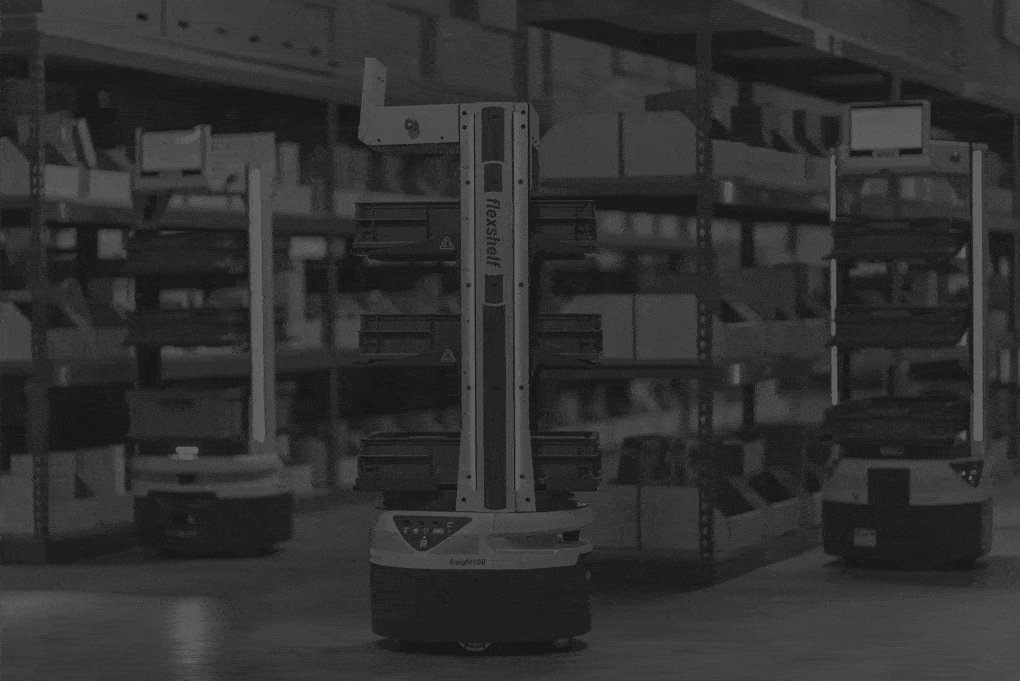
Warehouse Automation drives modern warehouse innovation, boosting productivity and handling repetitive tasks. Robotic picking systems, AS/RS (Automated Storage and Retrieval Systems—robotic systems that automatically place and retrieve items from defined storage locations), and conveyor belts reduce manual labour while improving speed and accuracy. For example, robotic picking can process thousands of orders per hour, allowing workers to focus on complex tasks. Industry studies show that automated picking systems can reduce order processing time by up to 50%.
AS/RS speeds up storage and retrieval, saving time and maximising space. Conveyor belts ensure goods move smoothly from receiving to shipping.
Amazon’s robotic fulfilment centres showcase how automation transforms operations, improving productivity, cutting costs, and setting new industry standards.
Key Benefits of Automation.
- Faster Order Processing: Automation reduces errors and speeds up fulfilment, improving customer satisfaction.
- Improved Inventory Accuracy: Automated systems provide more accurate inventory counts, helping maintain optimal stock levels.
- Greater Scalability: Increased efficiency allows warehouses to handle peak seasons with high order volumes more effectively.
- Enhanced Workplace Safety: Automation reduces physically demanding or repetitive tasks, lowering injury risk.
While automation requires upfront investment, the long-term ROI is significant. Businesses can expect lower costs, improved scalability, and the ability to meet the demands of a fast-paced, digital marketplace. For warehouses, adopting automation is key to sustainable growth and operational excellence.
2. Re-evaluating Warehouse Layout and Design.
Optimising your warehouse layout reduces unnecessary movement and maximises storage capacity, leading to faster order fulfilment and lower operational costs. A warehouse layout impacts your efficiency, from storage capacity to order fulfilment speed. A good design isn’t just about fitting products—it’s about creating a system for smooth operations and future growth.
Why Layout Matters.
An optimised layout reduces unnecessary movement, improves material flow, and maximises available space. Every unit of wasted space adds up to long-term inefficiencies and higher operational costs. A well-thought-out design also enhances safety, ensuring clear pathways for staff and equipment while minimising the risk of accidents.
Strategies for an Optimised Layout.
- Zone Picking (Zoning): Store fast-moving goods closer to pickers to save time and reduce travel, while slower-moving items can be kept further away. Grouping similar products together also simplifies inventory management.
- Vertical Storage: Use vertical shelving to maximise overhead space when floor space is limited. This boosts storage, reduces clutter, and keeps the warehouse organised, making it easier for staff to find items. Consider automated vertical lift systems for added efficiency.
- Cross-Docking: Transfer incoming goods directly to outbound shipments to reduce storage time, cut inventory costs, and speed up deliveries. Cross-docking is perfect for high-demand or time-sensitive products and frees up space for other operations.
- Pick Path Optimisation: Design wide aisles for easy movement of staff and equipment. Clear pathways help avoid bottlenecks and ensure smooth navigation during peak hours.
The right layout minimises bottlenecks, improves workflow, and allows smoother navigation for warehouse staff. Regularly reassessing your design as your business evolves will ensure your warehouse remains efficient and ready to meet changing demands.
3. Enhancing Order Picking Methods.
Improving order picking methods reduces labour costs and errors while speeding up fulfilment—picking accounts for up to 55% of warehouse operating costs. Order picking is one of the most labour-intensive—and error-prone—processes in warehouse operations, often contributing significantly to overall order fulfilment costs. Improving these methods can lead to enhanced efficiency, reduced errors, and better customer satisfaction.
Popular Picking Methods and What They Offer.
Picking Method | Best Use Case | Advantages | Limitations |
Batch Picking | High-volume operations with same SKU across multiple orders | Reduces travel time; efficient for similar orders | Requires accurate sorting to keep orders separate |
Zone Picking | Large warehouses with distinct product areas | Reduces worker fatigue; minimises travel distance | Orders must be consolidated later; requires coordination |
Wave Picking | Operations with scheduled shipping windows | Aligns picking with shipping priorities; reduces delays | Requires careful scheduling; less flexible for urgent orders |
- Batch Picking: This method gathers items for multiple orders at once, cutting down travel time in the warehouse. It is ideal for high-volume operations needing the same SKU for multiple orders but requires accurate sorting to keep orders separate.
- Zone Picking: In this method, workers are assigned specific zones in a warehouse and only pick items from their designated areas. Orders are combined later. This reduces worker fatigue and travel time, making it ideal for large warehouses, especially when paired with automated conveyor systems.
- Wave Picking: This technique syncs picking schedules with shipment schedules, letting warehouses group orders by shipping priorities or routes. By aligning picking and shipping times, wave picking reduces delays and ensures orders are shipped on time, boosting efficiency.
Using Tech to Improve Picking.
Technological advancements are transforming order picking, making it faster, more accurate, and less labour-intensive.
- Voice Picking: Workers get verbal instructions through headsets, freeing their hands to pick items faster and more accurately.
- Barcode Scanning: Scanning barcodes ensures the correct items are picked, reducing errors and cutting down on manual checks.
- Wearable Devices: Smart glasses and wearable scanners provide real-time guidance, helping workers quickly locate and identify items.
When paired with a Warehouse Management System (WMS), these technologies automate data entry, track inventory in real time, and streamline workflows. They speed up picking and help warehouses meet growing demand.

4. Optimising Staff Productivity.
Empowering your workforce through training and proper tools directly increases output and reduces costly errors. Warehouse staff are the backbone of your operations. Empowering them is key to improving efficiency, morale, and overall success. When staff feel supported and equipped to do their jobs effectively, productivity naturally follows.
Training and Empowerment.
Investing in workforce training is one of the best ways to boost productivity. Training ensures employees understand safety protocols, equipment use, and new technologies. It also builds confidence and fosters a sense of ownership, helping staff work smarter and more efficiently. Offering ongoing learning, like certifications or cross-training, creates an adaptable team ready for future challenges.
Tools to Boost Productivity.
Providing the right tools and technology can significantly enhance your staff’s ability to perform their tasks. Here are some key tools that can make a difference:
- Handheld Scanners and Devices: These tools eliminate the need for manual tracking by streamlining inventory management, reducing errors, and speeding up data entry processes. With real-time updates, staff can focus on fulfilling orders quickly and accurately.
- Collaborative Robots (Cobots): Cobots are designed to work alongside human employees, lightening their physical workload by taking on repetitive or physically demanding tasks. This not only increases efficiency but also reduces the risk of injuries, allowing staff to focus on more complex, value-added activities.
- Workstations: Ergonomic furniture and tools play a crucial role in reducing worker fatigue and preventing long-term injuries. Certain things that can help include adjustable workstations, anti-fatigue mats, and well-designed tool layouts. These can improve comfort, boost morale, and keep productivity levels high throughout the day.
Invest in training, provide the right tools, and foster a culture of empowerment to build a motivated, skilled workforce. When employees feel valued and supported, they’re better prepared to tackle complex challenges and drive your business’s success.
5. Streamlining Shipping and Receiving Processes.
Efficient shipping and receiving processes reduce delays and errors at critical warehouse touchpoints, improving overall throughput. Shipping and receiving are the first and last touch points within a warehouse, playing a crucial role in overall operational efficiency. These processes require thoughtful optimisation to reduce delays, minimise errors, and improve customer satisfaction. By implementing smart strategies, businesses can save time, lower costs, and keep operations running smoothly.
Strategies for Faster Shipping:
Real-time Tracking: Modern tracking systems provide customers with live updates on their shipments, boosting transparency and trust. Real-time tracking also helps businesses identify bottlenecks in the delivery process, reducing complaints and improving customer experience.
Efficient Receiving Processes.
Receiving stock is just as important as shipping, as it impacts inventory accuracy and warehouse organisation. Streamlined processes like inventory reconciliation and organised stocking can prevent costly mistakes like misplaced or miscounted items.
Automation is key, with tools like barcode scanners and automated data entry ensuring faster, more accurate goods movement. These technologies save time and allow staff to focus on higher-value tasks, boosting productivity.
Optimising shipping and receiving keeps warehouses efficient, customers happy, and businesses competitive.

6. Monitoring and Continuous Improvement.
Regular monitoring and data-driven improvements ensure your warehouse adapts to changing demands and maintains peak performance. Warehouses should prioritise continuous monitoring and improvements to stay competitive and meet evolving demands. By identifying weak points and proactively addressing them, operations can remain smooth and effective.
Leveraging Data Analytics.
Integrated data tools offer actionable insights into warehouse inefficiencies, like frequent restocking shelves, bottlenecks in pick-and-pack, or delayed products. These tools improve inventory organisation, optimise staffing, and cut downtime. Predictive analytics also helps forecast trends to prevent disruptions, keeping the supply chain running smoothly.
Building an Improvement Culture.
A successful warehouse thrives on continuous improvement. Hold regular feedback sessions with staff to tackle challenges and implement their ideas. Conduct audits to review processes and performance. Embrace technologies like automated picking systems or robotics to streamline tasks and reduce errors. Provide training to ensure staff can confidently use new tools or processes.
By fostering improvement and adopting innovative technologies, your warehouse will stay agile and ready for future challenges.
Conclusion: Stop Wasting Time and Money—Start Improving Now.
By investing in the right technologies, optimising layouts, training your staff, and continuously monitoring operations, your warehouse can meet the challenges of 2026 head-on. Warehousing is no longer just about storing products—it’s about creating an efficient ecosystem that delivers results for your business and your customers.
Key Takeaways
- Adopt Technology and Automation: Implement WMS and automated systems to reduce manual errors and speed up order processing by up to 50%.
- Re-evaluate Warehouse Layout: Optimise space utilisation with zoning, vertical storage, and cross-docking to minimise travel time.
- Enhance Order Picking Methods: Choose the right picking strategy (batch, zone, or wave) and pair it with voice picking or barcode scanning technology.
- Optimise Staff Productivity: Invest in training and provide ergonomic tools and cobots to empower your workforce.
- Streamline Shipping and Receiving: Use real-time tracking and automated data entry to reduce delays at critical touchpoints.
- Monitor and Continuously Improve: Leverage data analytics and foster a culture of ongoing improvement to stay competitive.
Are you ready to transform your warehouse operations? Start by evaluating your current inefficiencies and book a call today to find out how we can help.
Frequently Asked Questions (FAQ's)
To improve warehouse efficiency, implement these six key strategies: (1) Adopt technology and automation such as WMS and robotic systems, (2) Re-evaluate and optimize your warehouse layout for better space utilization, (3) Enhance order picking methods using batch, zone, or wave picking with supporting technology, (4) Optimize staff productivity through training and proper tools, (5) Streamline shipping and receiving processes with real-time tracking and automation, and (6) Monitor operations continuously using data analytics to identify and address inefficiencies.
A Warehouse Management System (WMS) is a software solution designed to optimize and automate warehouse operations, including inventory tracking, order fulfillment, and shipment. It helps businesses streamline processes, reduce errors, and improve overall efficiency.
Technology such as automated picking systems, robotics, and advanced WMS software can reduce manual labor, minimize errors, and speed up processes. This allows warehouses to handle larger volumes of orders with greater accuracy and efficiency.
Optimizing your warehouse layout involves analyzing current workflows, reducing unnecessary travel distances, organizing inventory for faster retrieval, and creating dedicated zones for high-demand products. Regularly reviewing and adjusting your layout is also crucial as demands change.
Training ensures that staff can effectively use new tools, technologies, and processes. Well-trained employees are more confident, efficient, and resistant to errors, contributing to smoother warehouse operations overall.
Start by conducting audits and tracking key metrics such as order fulfillment times, error rates, and space utilization. Engage with staff to understand their challenges and use data analysis to pinpoint areas requiring improvement.
While the initial costs can be significant, the long-term benefits of adopting innovative technologies—such as reduced labour expenses, faster operations, and improved accuracy—often result in substantial cost savings and higher customer satisfaction.